
From Hearing to Record
with Full Accuracy.
WhoSaidWhat records court proceedings in real time, accurately transcribes every exchange, and structures the record with clear speaker attribution — producing reliable, court-ready transcripts suitable for review, filing, and long-term archiving.
Request A Consultation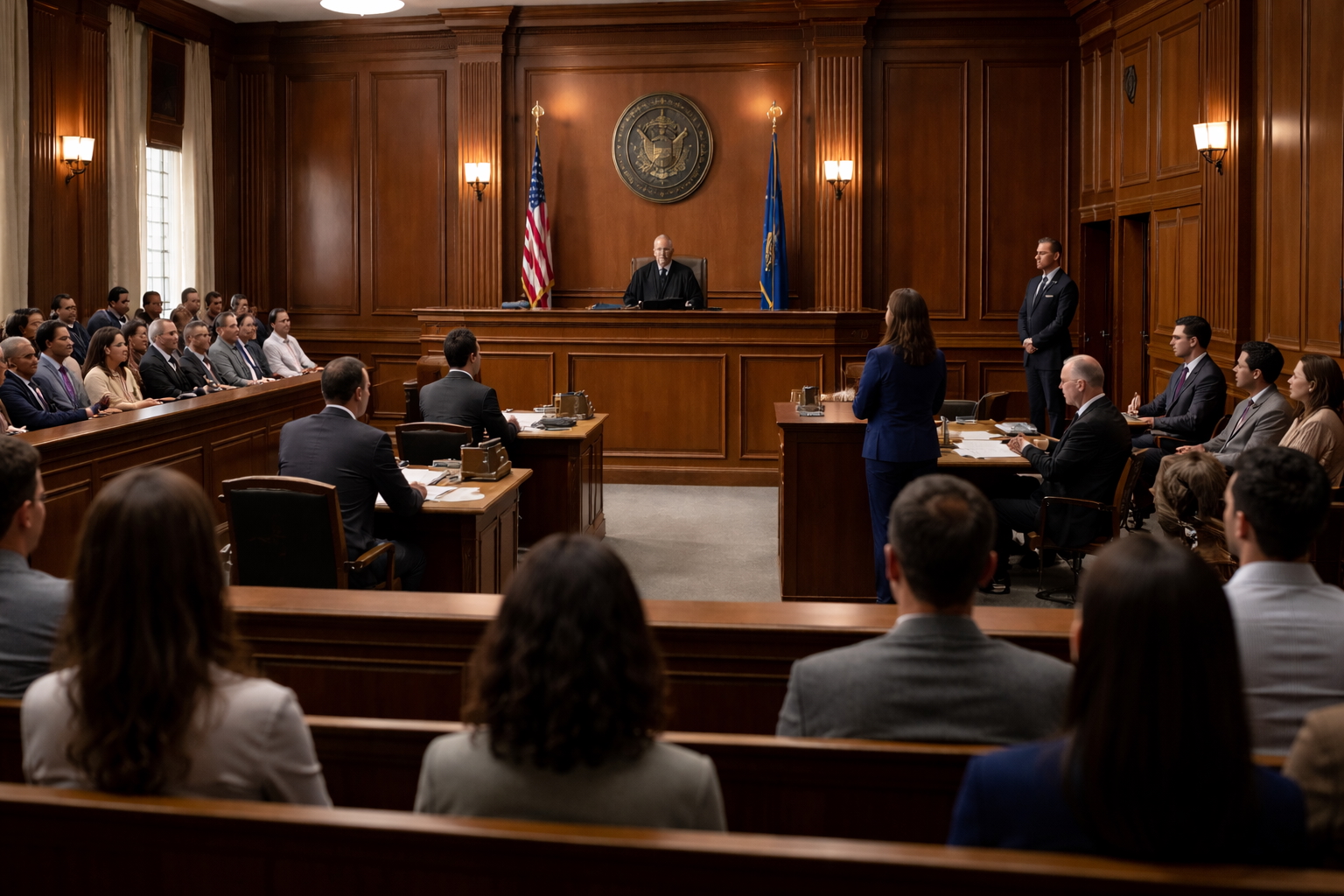
Transcription Accuracy
The Court Proceedings module is designed to support the recording, transcription, review, and publication of court hearings with accuracy, structure, and accountability. From live sessions to uploaded audio, the platform converts spoken proceedings into organized, searchable records that preserve the integrity of the judicial process.
Built for courts, registries, and legal professionals, the system supports clear speaker attribution, time-aligned transcripts, and structured session records—making it easier to review hearings, reference past matters, and maintain reliable judicial archives.
Designed for
Judicial Environments
From magistrate courts to high courts, our platform adapts to the formality and precision that judicial proceedings demand. Our framework includes accurate speaker identification, time-stamped records, and structured outputs.
Magistrate and High Court hearings
Capture and transcribe proceedings from magistrate courts to high courts with precision speaker identification and time-stamped records suitable for official judicial documentation.
Tribunal and commission proceedings
Support specialised tribunals and commissions of inquiry with structured transcripts that preserve the integrity of testimony and cross-examination exchanges.
Administrative and regulatory hearings
Document administrative law proceedings, licensing hearings, and regulatory matters with clear speaker attribution and searchable archives for compliance and reference.
Appeals and review panels
Record appellate arguments and review panel deliberations with accurate transcription that supports case preparation and judicial decision-making.
Judicial archives and record management
Maintain permanent, searchable judicial records with secure storage, controlled access, and long-term preservation standards for institutional accountability.
Ready to Modernize Your Court Records?
Join judicial institutions that trust our platform for accurate, structured, and searchable court proceedings documentation.